
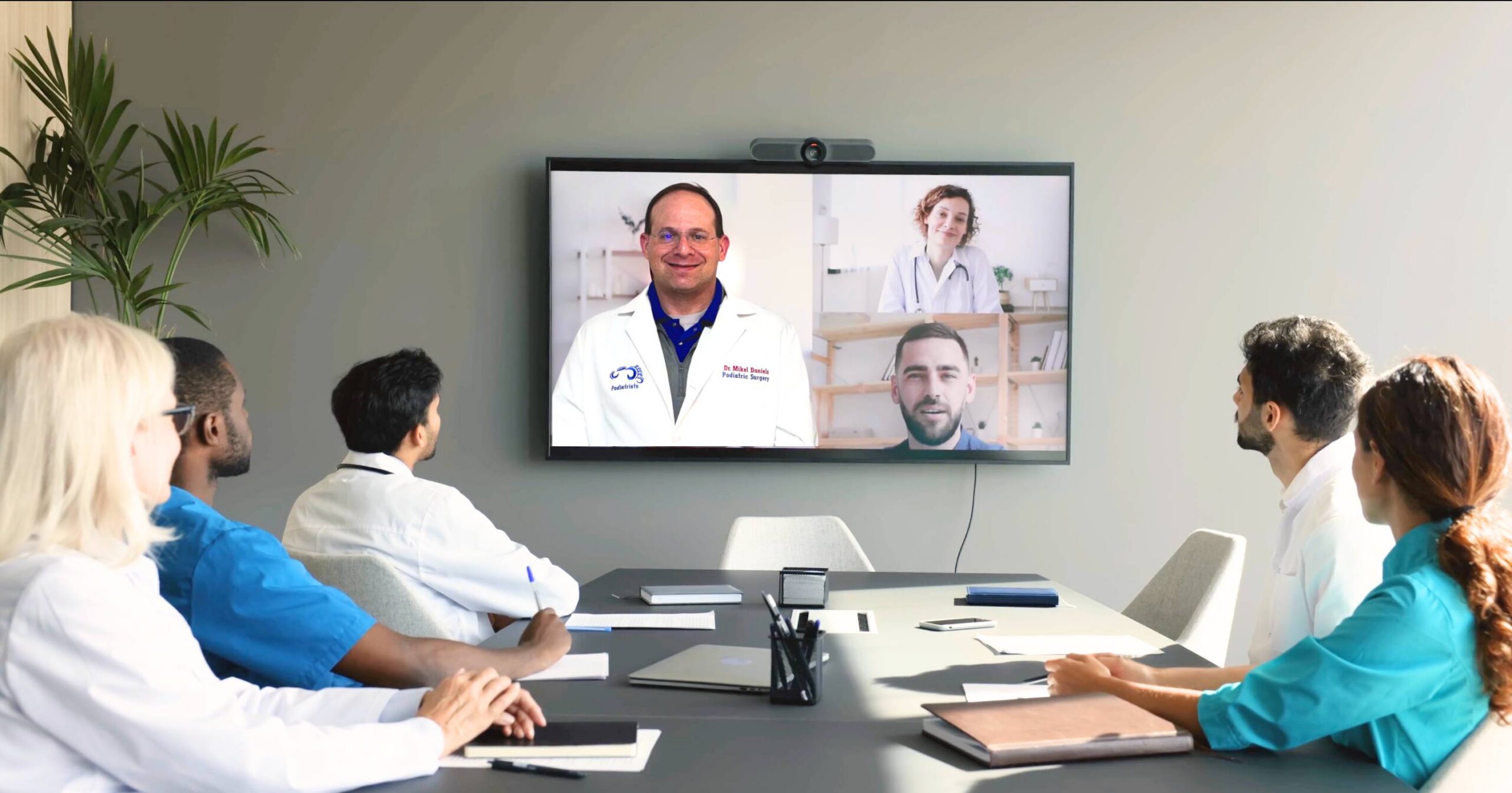
Most companies say they want strong board members with opinions, but what they actually need are people whose opinions are grounded in real, on the ground experience. That’s where I live.
I’ve spent more than two decades building and running a multi-location medical practice, treating complex clinical problems, and navigating the messy realities of healthcare economics and business operations. That combination shapes how I look at governance, strategy, and the kind of people who belong in a boardroom. When considering this matter, it has to be the right fit for both the company (or organization) and the potential board member.
Why experience matters on a board
A board seat is not just an honorary title. It is a job with real world influences and consequences.
When someone has spent years managing a practice or a business, they’ve already made the hard calls. Decisions like hiring and firing, opening new locations, investing in technology, negotiating with payors, and owning the downside should already be tools in the toolbox. However, it is prior issues with this examples that allow someone to standout when things don’t go as planned. Those experiences create pattern recognition you cannot get from theory alone.
In my world, that has meant leading a podiatry group that’s treated tens of thousands of patients, scaled to multiple providers and locations, and maintained quality while still keeping an eye on margins and growth. That’s not abstract, these are lived decisions that either help a company stay healthy or quietly bleed out.
What I actually look for in a board member
When I think about board composition for any position, whether for a medical group, a healthcare startup, or any organization that sits at the intersection of clinical care and business, I believe you need to look for a few non-negotiables.
I’m looking for someone who has actually owned P&L responsibility, not just advised from the sidelines, and who has truly led people rather than simply managed projects. They need to understand how strategy shows up in real operations. This includes things like scheduling, staffing, cash flow, capacity, quality, and outcomes. It must be more than just a slide deck. Just as important, they should be able to read a balance sheet with ease and then walk out into the clinic or office and have a grounded, respectful conversation with a frontline staff member without a hint of condescension.
My own path has blended clinical medicine, surgical practice, diabetic wound care, and practice economics, reinforced by formal training in healthcare management. I’ve been responsible for both what happens in the operating room and what shows up in the monthly financials, which means my perspective on “advice” is always tied to implementation and risk.
When I talk with founders or leadership teams about their boards, I push them to think past résumés and ask, very directly several important questions. I’m asking where this person has personally carried risk and when they’ve been truly accountable for outcomes, not just deliverables. I want to know if they can point to specific situations where they changed the trajectory of a business, not just attended meetings and nodded along. That kind of lens quickly filters out a lot of impressive titles and leaves you with the people who are actually useful when things get difficult.
The advantage of a clinician-operator in the boardroom
Healthcare is full of people who understand medicine and people who understand business. However, there are fewer who truly live at both ends of that spectrum.
Running a podiatry group that delivers advanced wound care, limb preservation, and surgical services across a broad community requires much more than clinical expertise. You have to understand how margins behave when payer mixes shift, how access, scheduling, and day-to-day operations affect both outcomes and revenue, and how staffing, culture, and the patient experience ultimately drive retention and long-term growth.
That’s the lens I bring to board discussions: I’m not looking at a company only as a spreadsheet or only as a mission statement. I’m constantly asking what this strategy looks like on a Tuesday, and how a decision will affect the people actually doing the work. I want to know whether it improves patient outcomes, operational efficiency, and long-term financial health at the same time. When you’ve built systems that see thousands of patients a year across multiple locations, with a team of specialists and staff depending on sound leadership. This means stop thinking in slogans and start thinking in throughput, quality metrics, real-world constraints, and how to align all of that with a sustainable business model. Boards need more of that.
How organizations should think about board composition
If you are building or reshaping a board (whether in healthcare or another field) here’s how I’d approach it based on what has actually worked in my own world:
- Start with your reality, not your aspiration.
Look honestly at what stage your organization is: early growth, restructuring, scaling, or stabilizing. Then recruit people who have actually lived through that specific phase, in real operations, not just as outside advisors. - Balance specialists with operators.
You may need legal, financial, or technical expertise, but you also need at least one person who has built something from scratch and kept it alive through good and bad cycles. That’s where practical, grounded opinions come from. - Prioritize people who understand your ecosystem.
In healthcare, that means someone who knows how payors think, how clinicians think, and how patients actually behave. Translate that principle to your industry and you’ll quickly see which board candidates will be useful and which will be decorative. - Look for people who ask operational questions.
The best board members I’ve worked with want to know how strategy shows up in the day-to-day: what changes at the front desk, in the exam room, in scheduling, in billing, in staffing. They’re not satisfied with surface-level answers. - Choose people who are willing to disagree.
Opinions are only valuable if they’re honest. If my experience tells me something is unsustainable (like a growth target, a staffing model, or a marketing strategy), I’m going to say that. That’s what you want from a board member: someone whose experience gives them the confidence to challenge the room when needed. Avoid “YES” men
Why my perspective is opinionated on purpose
Over the years, I’ve seen what happens when organizations stack their boards with name recognition instead of real operators. The meetings are pleasant, the minutes look clean, and the execution quietly suffers.
My experience running a high-volume, multi-physician podiatry group, working in complex diabetic limb preservation, and navigating the business side of healthcare has taught me that the cost of a passive board is always paid by someone: the staff, the patients, or the future of the company.
Spending time in the business trenches, I have opinions about business matters, board structure, and who should have a seat at the table. They’re not theoretical. They come from years of balancing clinical quality, patient experience, growth, and financial sustainability in real time.